
EPOXY FLOORING IN CHILLICOTHE, MO
Tired of Stained, Worn or Unfinished Concrete?
Stained, chipped or raw concrete makes a whole room look unfinished. A coated floor can change both how it looks and how it works.
Epoxy and polyaspartic systems in Chillicothe, MO for home garages, basements, shops and industrial floors, sized up against the slab you have and the abuse it takes.
Talk through your project
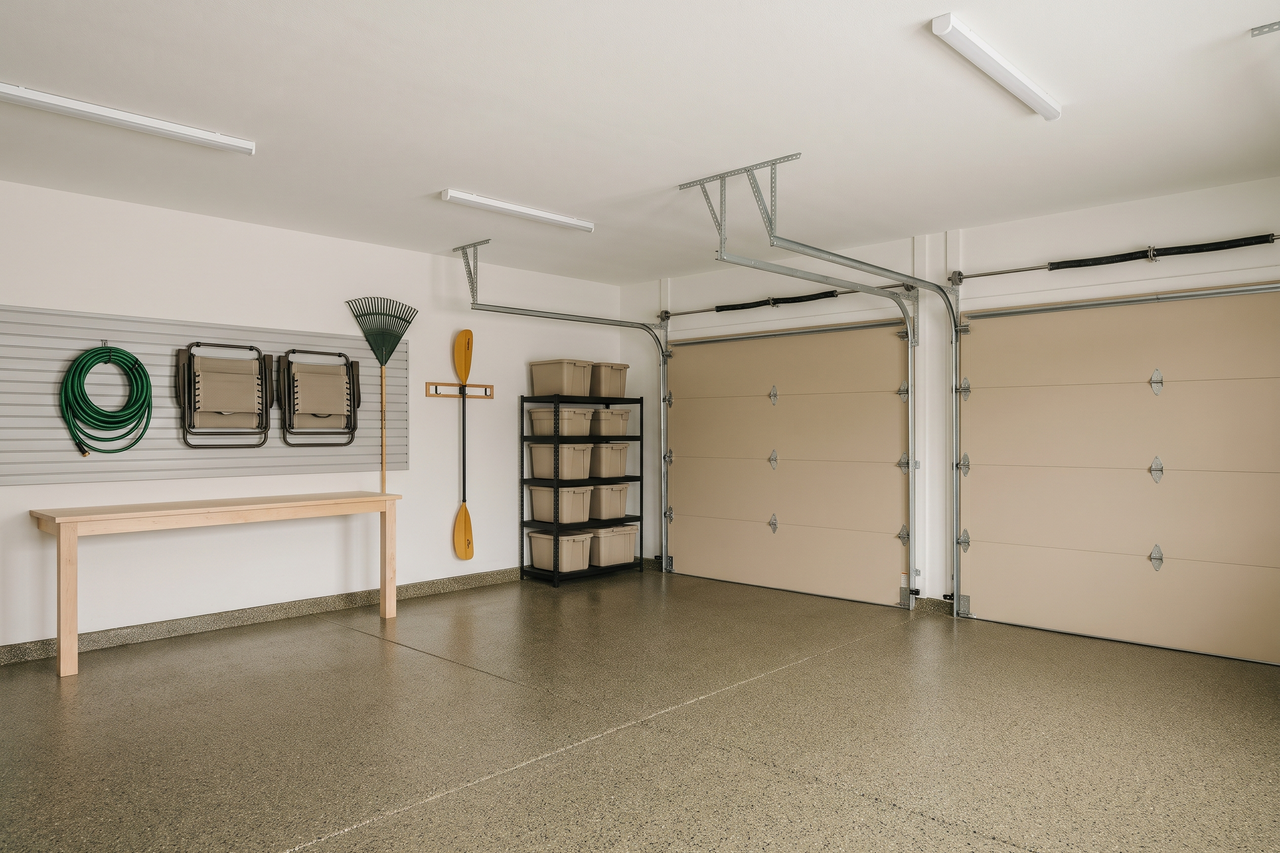
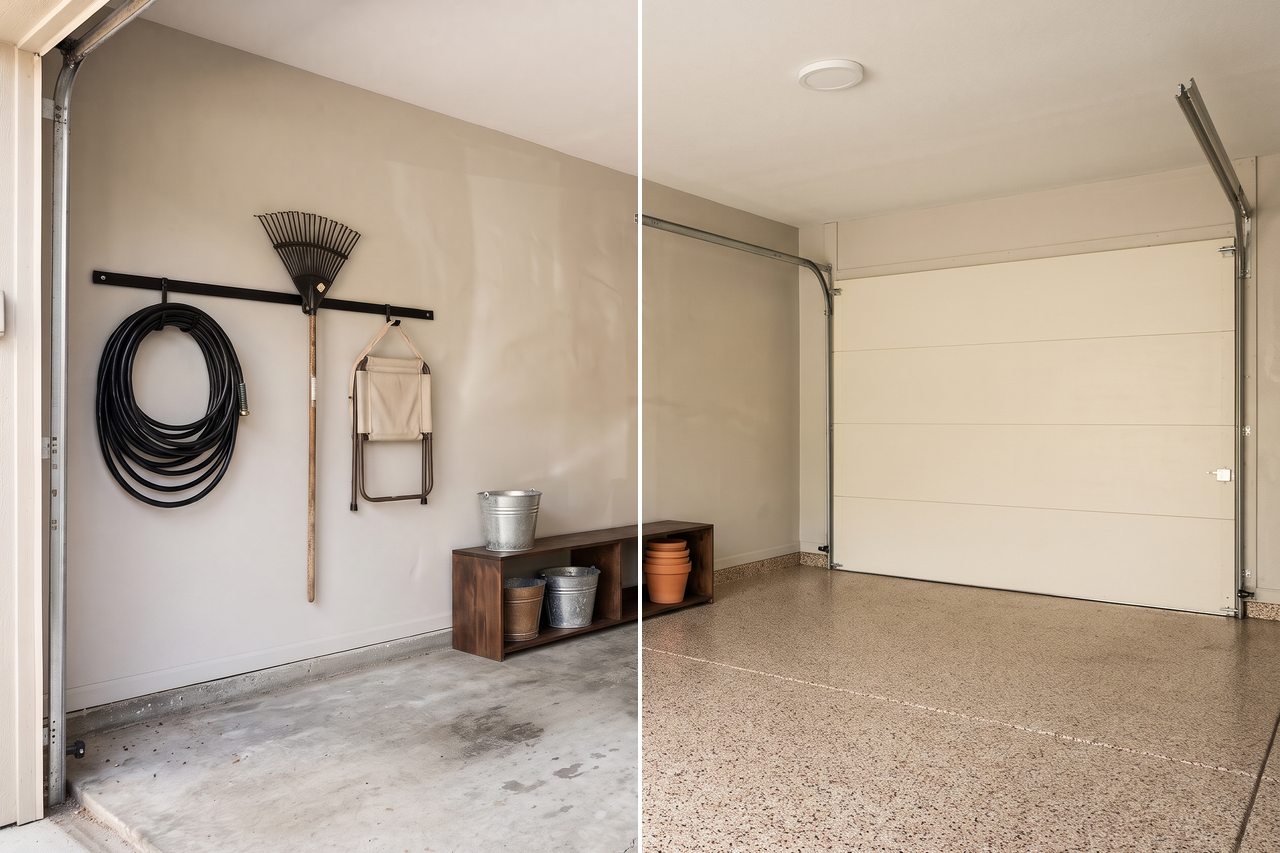
Your Concrete Shouldn't Make a Great Space Feel Unfinished
Uncoated concrete is a diary nobody asked for. A mower’s oil drip leaves a ring, muddy boots grind a gray trail from the door, and the edge along the threshold starts shedding little chunks. You sweep, it looks passable for a moment, and the floor goes right back to being the first thing a guest’s eye lands on.
Then comes the research. Epoxy or polyaspartic? Flake, metallic or solid color? Does the slab need grinding or patching? And how would you even spot a rushed install compared with a careful one? Most people have never had a reason to sort any of that out.
Getting those answers straight is what makes the first step feel reasonable. After that, your installer sees the concrete in person, recommends a system that suits how the room actually gets used, and takes the work from surface preparation all the way to the topcoat. Doing the prep thoroughly is what gives the finished coating a better foundation for long-term performance.
The Right Floor for the Way You Use Your Space
Slabs show up in all kinds of condition, and rooms put floors through very different routines. Any recommendation worth having starts with both of those facts.

A Better Floor Is Easier Than You Think
Swapping dull gray concrete for a finished floor is usually less of an ordeal than people brace for, if the work is done right.
01
Tell Us About Your Space
Give us a picture of the current floor, what goes on in that room, and how you’d like the space to look and feel when everything’s done.
02
Get the Right Plan
On site, the flooring professional checks the concrete, flags any repair or prep work the slab needs, then proposes a coating weighed against three things: slab condition, what the room demands and your budget.
03
Your Floor Gets Transformed
With prep finished, your installer lays down the specific system picked for this floor, one built for whatever the space genuinely puts it through.
A Great Floor Starts With What You Don't See
Most of a coating’s lifespan gets decided before a single can is cracked open. Early peeling or lifting usually has more than one cause: preparation is often part of the problem, and so are moisture in the slab, a poorly suited product and the conditions at the moment of installation.
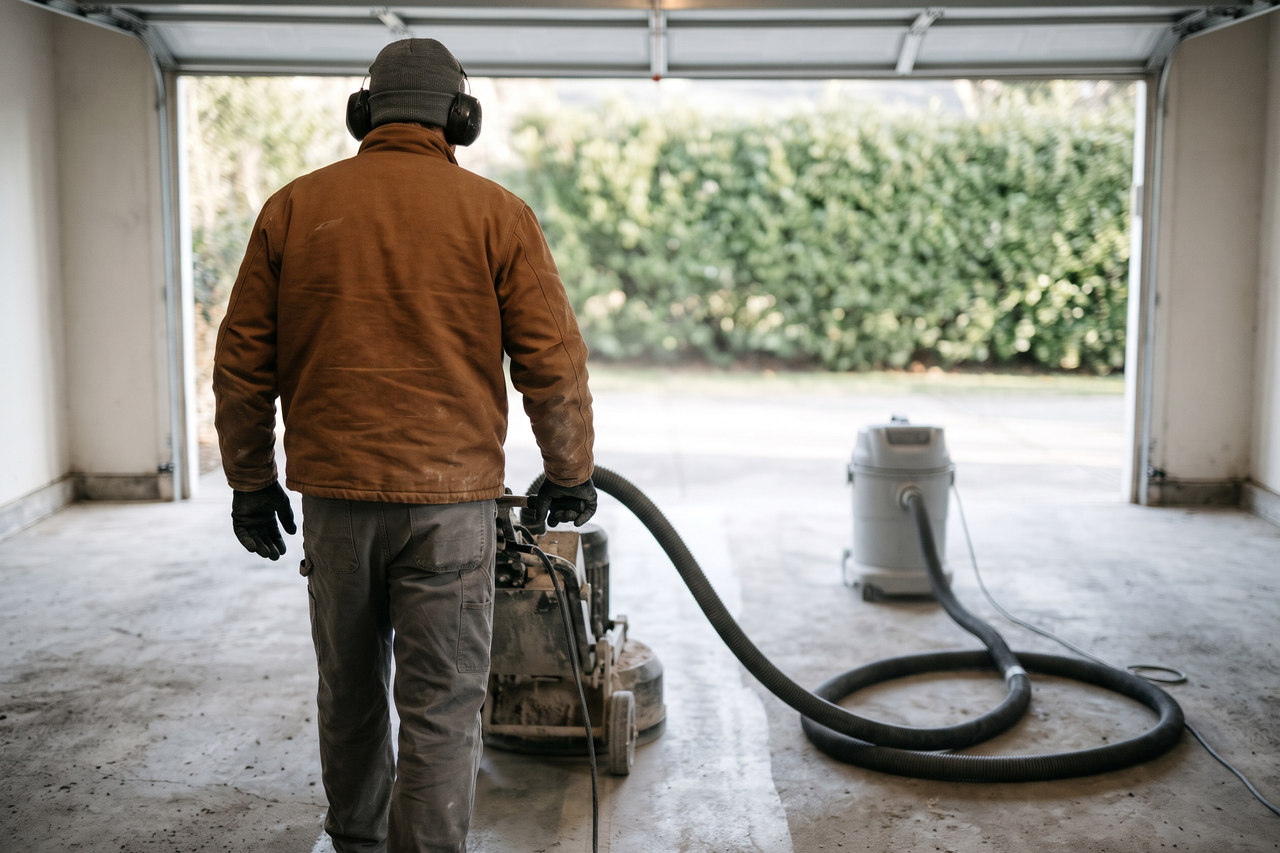
Getting a slab ready breaks into several jobs of its own. Diamond grinding, first, roughens the surface into a profile a coating can bite into. Moisture testing comes in when the slab or its past points that way. Spalls, pitting and cracks are patched before anything is spread. Work through those, and the coating rests on a better foundation for long-term performance.
When weighing any project, prep is one of the first topics worth bringing up. See the thinking behind our approach to floors →
Make Your Space Feel Finished
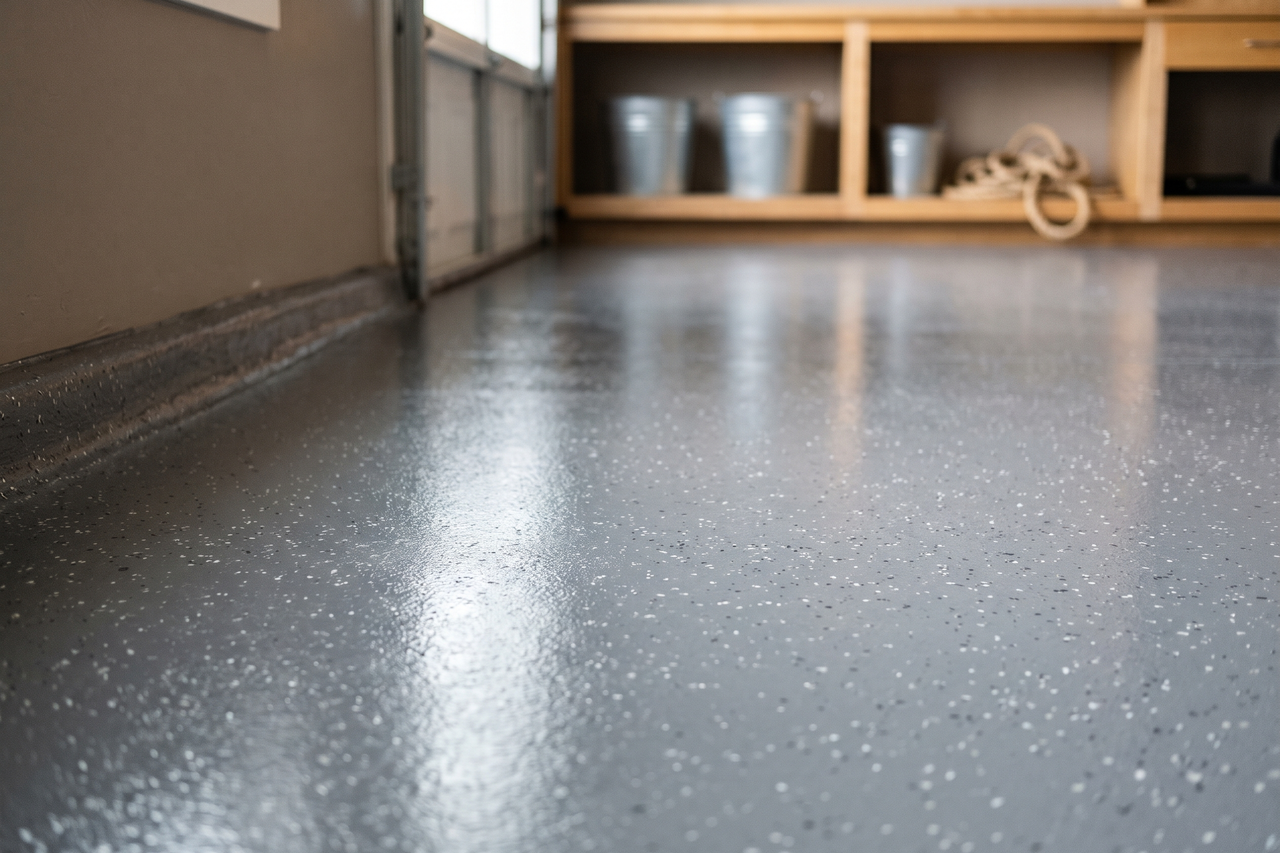
Good prep plus the right coating changes a room in a way that’s tough to pin on one feature. The powdery, blotchy concrete that used to chip and stain becomes solid, even and finished under your feet, with a crisp look raw cement can’t fake.
Spilled coffee or a dribble of motor oil sits there politely until a rag arrives, rather than vanishing into the pores. Cleaning stops being a chore you lose at. And because the finish reflects light, the room tends to feel brighter overall.
Fix the floor and everything around it seems to improve too. The garage becomes a spot for hobbies and hanging out, not just parking. The basement finally feels like it belongs to the house. And a business floor signals to customers that the small stuff matters there.
Ready for a Floor You'll Be Proud Of?
Let us know the state of the floor today and the result you’re picturing, and request a customized quote.
Frequently Asked Questions
Is my kind of concrete floor a good candidate for coating?
Most coating work happens on garage slabs, basement floors and commercial or industrial concrete. Any one slab’s suitability hinges on the shape it’s in, the system being weighed and the room’s purpose, with your installer confirming suitability once the concrete has been examined in person.
How does polyaspartic compare with epoxy?
Cure speed, performance properties and price all separate them, and the cure gap can reshape planning. Polyaspartic, in most product lines, generally cures faster than many traditional epoxy systems. Neither one is the automatic winner; the better fit depends on your concrete’s condition, its environment and the room’s purpose, each of which the flooring professional looks at during the site visit.
Can concrete with oil stains and a few cracks in it still be coated?
Frequently, yes. Stains, hairline cracking and everyday wear are normally treated as prep items, not reasons to walk away. The main steps are grinding, moisture testing if the slab’s history suggests it, plus repairing damage before anything is applied; precisely what your floor requires comes into focus when your installer sees it.
What comes next after I fill out the form?
What you send helps the flooring professional form an early sense of the slab and what happens on it. If the project looks like a good fit, an on-site visit is normally part of building a customized estimate.