
Polyaspartic Floor Coatings
in Chillicothe, MO
A hard-wearing, sunlight-resistant finish for busy concrete, specified to fit the slab you have and how the room actually gets used.
Your Concrete Floor Shouldn't Be the Weak Point of Your Space
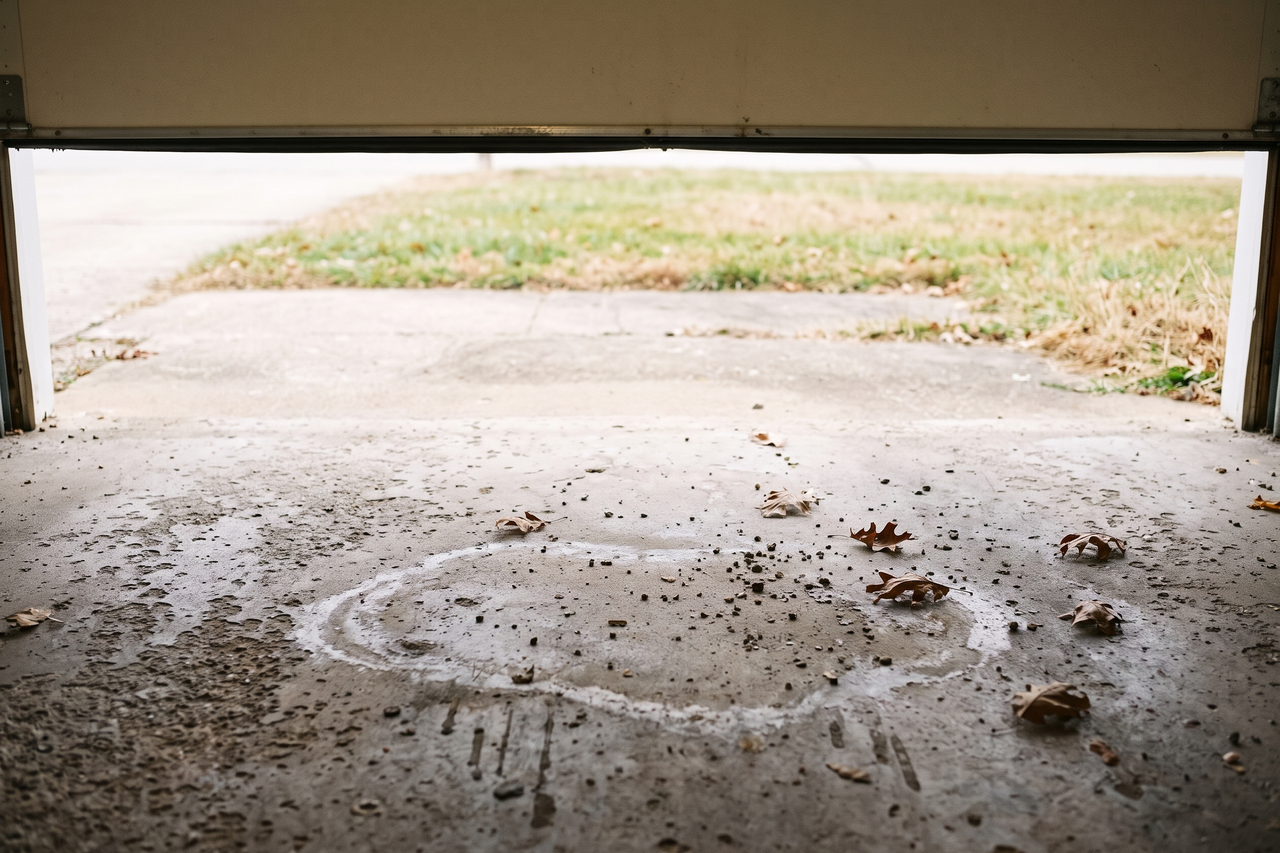
Damage to bare concrete builds quietly. Oil drips, tracked-in road salt and cleaning chemicals sink into its pores, and stains get more stubborn the longer they sit. Tires, carts and boots abrade the surface a sliver at a time, and moisture pushing up through the slab can quietly undermine a coating applied later. Small flaws have a way of becoming unbudgeted repairs.
Coatings differ in how they handle that pressure. Certain epoxies react badly to UV; a floor by an open garage door or a wall of glass can drift amber or chalky and eventually need recoating. Others carry cure demands that buyers did not fully think through before choosing.
Coating a hard-used concrete floor is usually a sound decision. The bigger call is which system suits this particular slab and its job, because that pairing governs how the surface performs under real traffic.
The Right Floor Coating Starts With How You Use the Space
Polyaspartic earns attention for two things: UV resistance that beats many conventional epoxies, and toughness against abrasion. On top of that, it generally cures faster than many traditional epoxy systems. Mapping out a project? Keep that in mind. Sunny floors, often-scrubbed surfaces and covered outdoor slabs exposed to weather are where those strengths show most.
Still, it does not win by default. What the slab has been through, how it tests for moisture, what the room does and what you want to spend all feed the recommendation. On some floors, epoxy below and polyaspartic above proves the stronger answer, outperforming either material by itself, and which build is right only emerges after the concrete is evaluated.
Sound advice tends to come from whoever has actually stood on your floor. Want background first? The comparison guide below walks through the performance differences between polyaspartic and epoxy.
A Better Floor Is Easier Than You Think
Upgrading plain concrete to a protected, finished surface involves more decisions than most owners anticipate, and having a plan simplifies every one of them.
01
Tell Us About Your Space
Tell us where the floor sits, what shape it is in, what happens on it and what you want most from the finish, be it UV stability, appearance, slip resistance or a blend of those.
02
Choose the Right System
With the slab inspected and its moisture checked, your installer sizes up what the space requires and suggests a route: polyaspartic throughout, epoxy first with a polyaspartic cap, or another system that suits the concrete better.
03
Transform Your Floor
Once the system is chosen, the flooring professional handles prep and application, going over the plan with you ahead of time so you understand each stage before it starts.
Ready for a Floor Built to Perform?
Requesting a polyaspartic flooring estimate starts with a picture of the floor and what you expect its new surface to handle. Several recent photos showing the concrete as it is today make the scope much easier to grasp from the beginning.
A Great Coating Can't Make Up for Poor Preparation
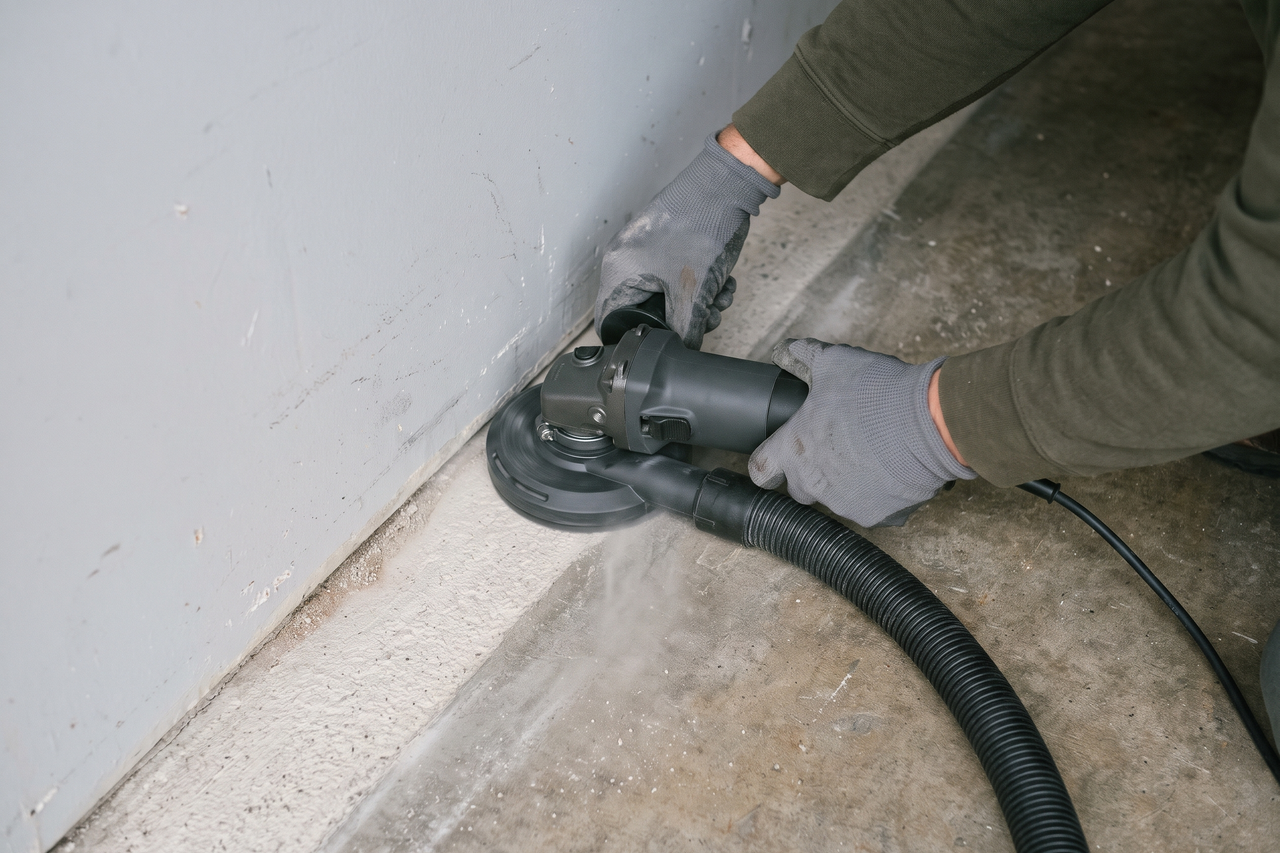
Polyaspartic rewards good preparation. That means mechanical profiling, a careful cleaning and moisture testing; drop one and the coating ends up bonding to a surface that struggles to keep a dependable bond, so adhesion is compromised before the first coat.
That trait cuts both ways: polyaspartic, once mixed, generally cures faster than many traditional epoxy systems; slack for fixing mistakes shrinks once spreading is underway. The slab must be fully prepared at the outset, not nearly prepared.
Correct grind texture, mended defects and confirmed moisture readings hand the coating solid ground to stand on. Should a coating release early, preparation is often part of the problem; slab moisture, the choice of coating and installation conditions can share the blame. Squaring all of them away first lays a better foundation for long-term performance.
A Floor That Looks Better and Works Harder
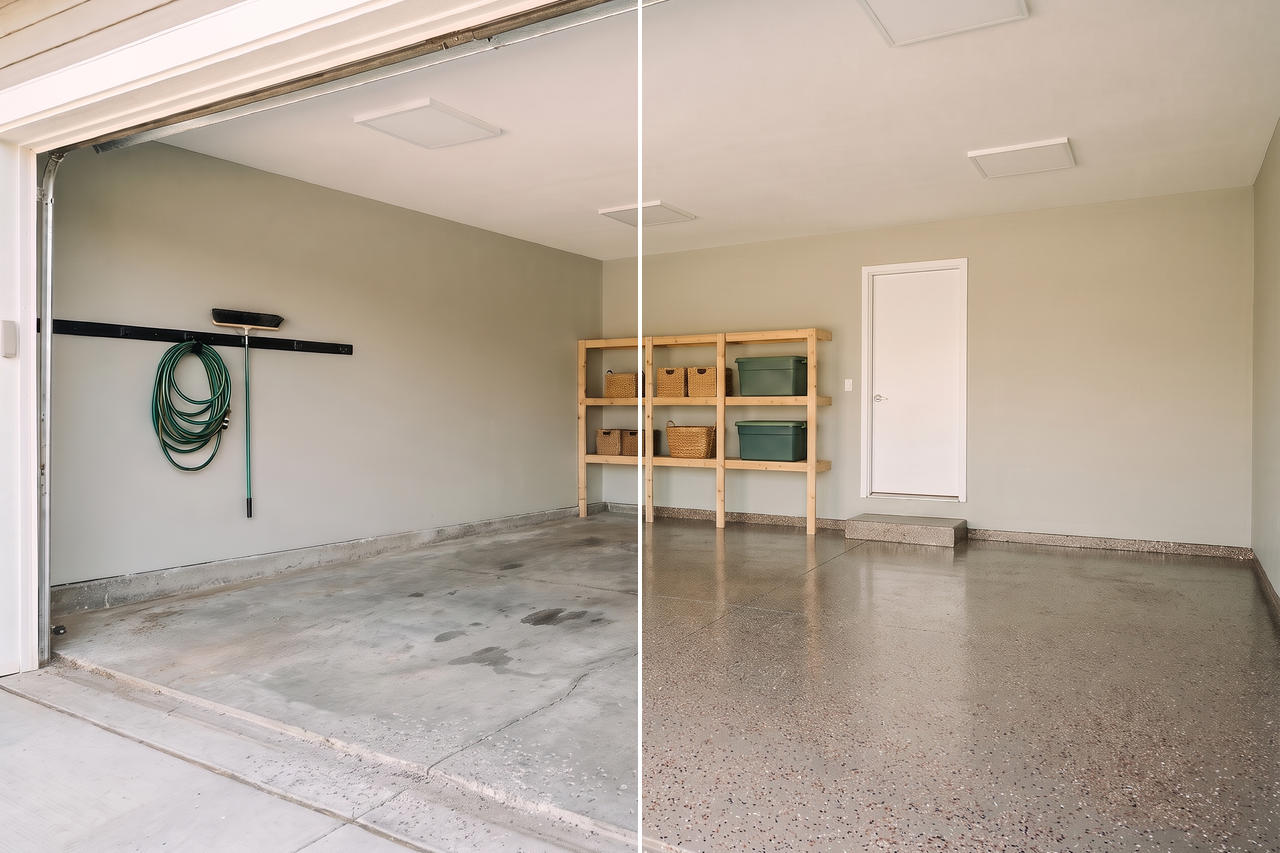
Polyaspartic seals the slab so spills and grime stay on top rather than soaking in. Antifreeze, solvent drips and tire-tracked mud wipe off coated concrete with far less effort than they take on an unfinished slab.
Decorative flake adds color depth plus a little texture, a look that suits a family garage as much as a light-duty commercial room. If wet footing is a worry, a grit additive or a textured topcoat is something your installer can add. Ultimately the spec reflects the room’s demands as judged by the installer.
Owners mindful of scheduling often ask about it, since polyaspartic generally cures faster than many traditional epoxy systems. Realistically, the schedule hinges on the particular project and on the contractor; the installer sketches out a timeline up front by weighing the size of the floor, its condition, how much preparation is involved and the system ultimately picked.
What Do Polyaspartic Floor Coatings Cost?
A handful of variables drive polyaspartic pricing: what shape the slab is in and how much preparation that implies, how many cracks or spalls want repair, an all-polyaspartic build versus a polyaspartic topcoat laid over epoxy, total square footage and which finish appeals to you.
Every slab is different, which is why a responsible figure depends on someone actually seeing the concrete. Realistic pricing for the job comes after the flooring professional has measured the area, reviewed its condition and grasped the full scope.
Common Questions About Polyaspartic Floor Coatings
How does polyaspartic's cure compare with epoxy's?
It compares favorably. As a material, polyaspartic generally cures faster than many traditional epoxy systems. Good to know for planners. How the cure unfolds on your floor depends on the specific product, how many coats go down, plus heat and humidity at the site. Expect your installer to explain all of this before work begins.
Is polyaspartic a good fit for all concrete floors?
No coating fits every slab. Polyaspartic’s UV stability beats many conventional epoxies, and the coating generally cures faster than many traditional epoxy systems. Even so, fit still turns on the concrete’s condition, how the room is used and the budget. Standard epoxy lays down a solid film and serves plenty of interior rooms shielded from sun. For floors that see more sunlight or abrasion, epoxy underneath with polyaspartic on top is a popular build. An assessment of the floor drives the recommendation.
Why does sun exposure matter when picking a coating?
Steady sun can discolor many conventional epoxies, pushing them toward amber or a faded look that usually means recoating. Compared with many standard epoxy products, polyaspartic handles that exposure better, so it deserves consideration in garages and in rooms catching strong direct or reflected light. Whether this matters for you comes down to the product and how much light the floor really receives, something best judged in person.
Can outdoor concrete be coated with polyaspartic?
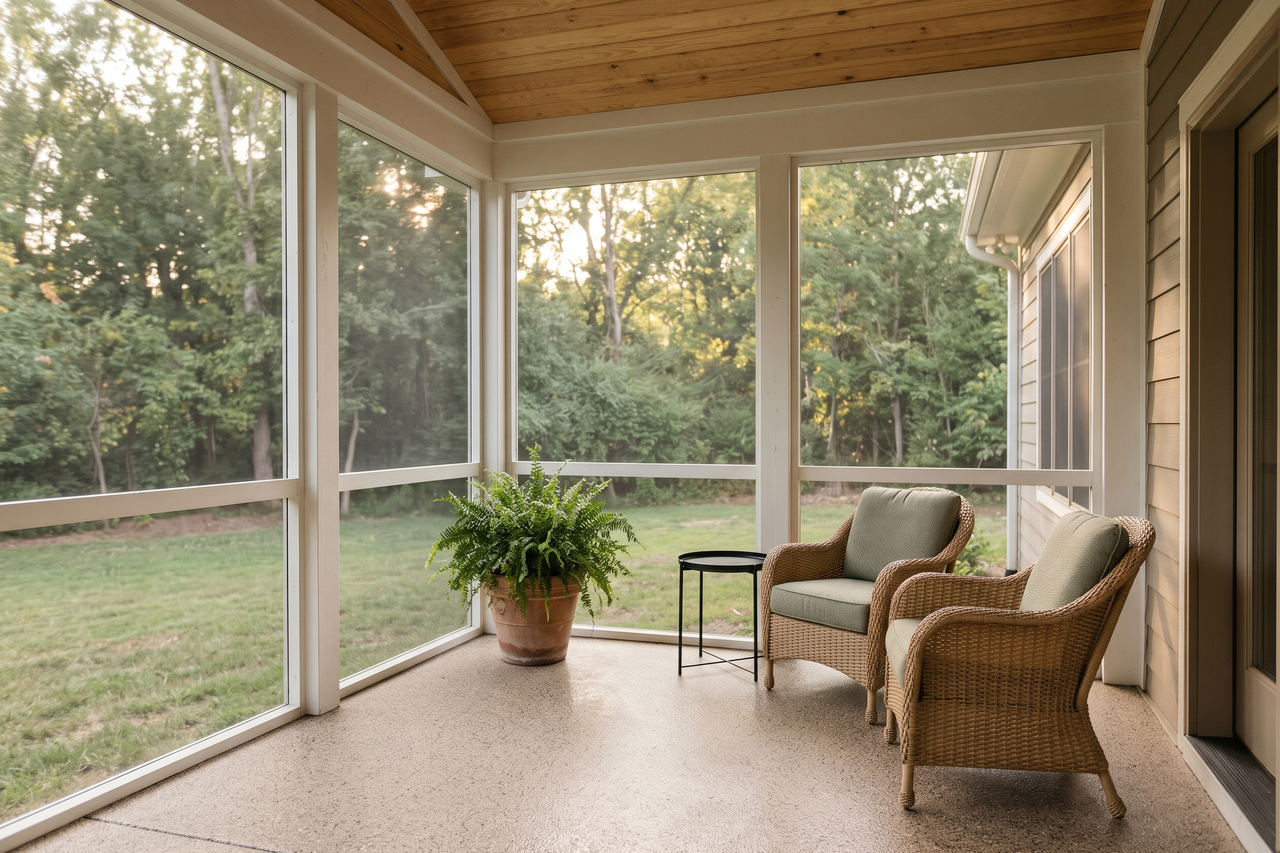
Possibly, once it has been evaluated. Carports, porch slabs under a roof and similar sheltered surfaces can be good candidates thanks to polyaspartic’s UV and abrasion resistance. Fit is a function of slab condition, drainage, its exposure to sun and rain, and what it will be asked to carry, so an on-site look comes first.
Will a high-gloss coated floor be slippery when wet?
Glossy finishes can get slick when wet. Broadcast flake adds texture for better footing. Where wet grip is important, the spec may also call for a gritted additive or a textured finish coat. Bring up traction with your installer before the spec is finalized.